I am in Washington, DC this week with my family. Each day, our travels have brought us face-to-face with the work of various leaders who have had a significant impact on our world. Some of them have been presidents. Others have been artists or inventors. All of them dared to be themselves, often going against the grain of society, to pursue their passions and their truth.
Their shared curiosity, varied interests, emotional intensity and internal struggles have led me to a few questions. As children today, would they have met the educational criteria for giftedness? Would they have been diagnosed with a disorder? Of course, it is impossible to ever know the answer to these questions, but I suspect that many of them would be viewed as "problem children."
According to Mount Vernon records, George Washington was "excitable and demonstrated impatience." How would he have done with rote homework for which he saw no purpose? He had an insatiable appetite for reading. Would he have chosen to read at recess instead of interacting with the other children? Would his mother have worried that others didn't like him?
Thomas Jefferson loved science and technology. Machines, gadgets and instruments of all kinds excited his curiosity. Today, would he be fidgeting in class? Would he be more interested in video games than doing his homework?
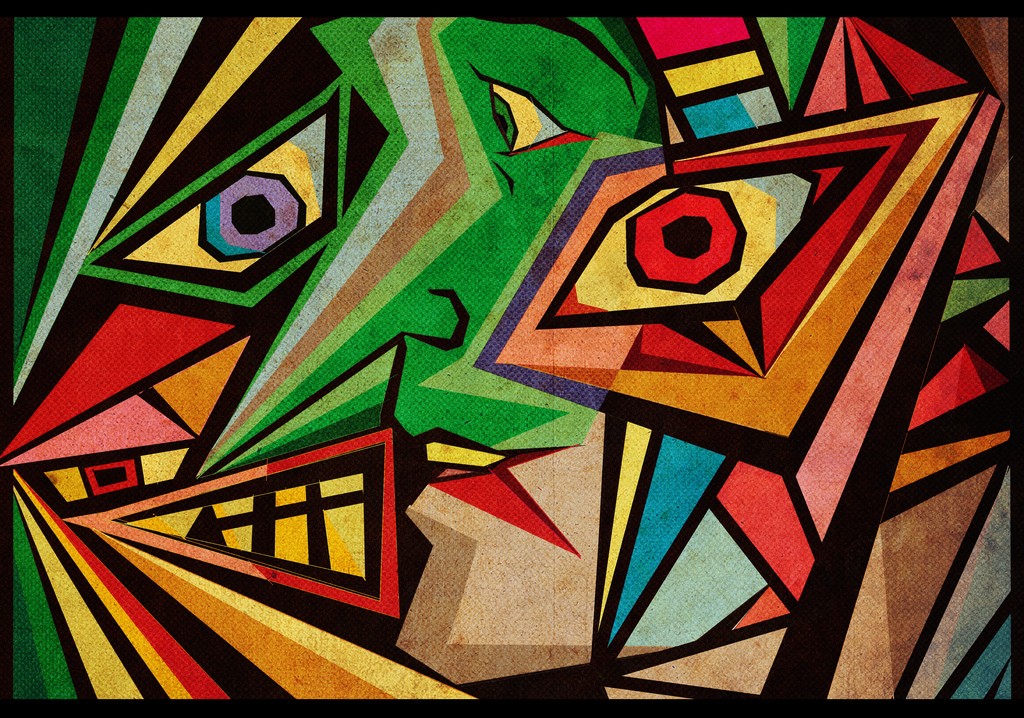
Picasso's work revealed the same creative pattern that persisted throughout his life. Today, would this creativity be seen as defiance in the classroom setting? Would he doodle in class? He left the Royal Academy of San Fernando in Madrid because he found the environment to be "stifling." Does our educational system sometimes stifle our children's brilliance? Do, we, as parents, worry so much about our child "fitting in," that we stifle them as well?
Picasso's commitment to his own individuality is nothing short of inspiring. From his early beginnings, he knew who he was. He maintained his own style and refused to "paint within the lines." At the end of the day, isn't that what we all really want for our children? For them to be their authentic selves?
The intention of this article is not to portray these individuals as perfect. Like us, they all had their shortcomings and their struggles. But I wonder.... if they were diagnosed with a disorder, how might this have changed the course of their lives? Would they have seen themselves as having something wrong with them? Would they have been able to overcome this perception and move forward?
Today, if they were identified as gifted, and perhaps ADHD, they would meet the educational system's definition of "Twice Exceptional." Would this feel any better? After all, wouldn't they still be considered "disordered?"
I am worried that our world is so focused on our children's deficits that we are dimming their bright light. It doesn't have to be this way.
WHAT CAN EACH OF US DO TO CHANGE OUR SOCIETAL FOCUS ON "DISORDER?"
1. We can start by adjusting our own perception.
2. We can shift our focus to "catching" our children doing right instead of what they are doing wrong.
3. If our child is diagnosed with a disorder, we can stop viewing it as an obstacle to their success.
4. We can make the choice to refrain from using the word "disorder" in our home and with our children.
5. We can find the strength within each identified struggle and share them with our children. For example, a child who is distractable actually has a heightened awareness of environmental stimuli.
6. We can advocate in our little corners of the world to move from the word "disorder" to the word "difference."
Change requires us to color outside of the lines. So let's get out there and make a beautiful mess!